WASHINGTON: US Secretary of State Marco Rubio told lawmakers on Wednesday that Washington’s military campaign against Iran, codenamed “Operation Epic Fury”, had concluded and that any subsequent American military action would be defensive in nature rather than part of an ongoing offensive operation. Rubio made the remarks during a House Foreign Affairs Committee hearing when members of Congress questioned the administration’s assessment of the conflict and its aftermath. His comments came amid continuing concerns over regional security, the deployment of US forces across the Middle East and the closure of the Strait of Hormuz, a vital maritime route through which a significant share of the world’s oil exports pass. During the hearing, Rubio announced, “We’re no longer conducting sustained strikes inside of Iran to degrade their military, because Epic Fury is over.” Later, he reiterated: “Epic Fury is over … that operation has concluded.” Rubio argued that the operation was a “victory” as Washington achieved its objectives by severely degrading Iran’s conventional military capabilities. According to the secretary, the United States had destroyed Iran’s defence industrial base, significantly reduced its missile launchers and drone stockpile, destroyed what remained of its air force and wiped out its conventional navy. “Those are all gone,” Rubio said. “So, I consider that victory, and we did, too. And that was the purpose of Epic Fury.” He also noted that despite the extensive damage inflicted by the United States and Israel, Iran retained some drone and maritime combat capabilities. Rubio’s comments prompted a sharp exchange with Democratic Representative Sara Jacobs, who questioned the administration’s assertion that the war was over while American troops remained deployed across the region and the Strait of Hormuz remained closed. Jacobs asked: “You can change the name of the operation, it doesn’t change the fact that the Strait’s still closed, and my service members and all of our service members are still in harm’s way.” She continued: “I’d like to talk about the war in Iran. Yesterday, in your testimony, you told Senator Booker that the war in Iran is over. This is news to me. It’s also news to my 2,500 constituents Marines, San Diego, Marines, in the Middle East, the other of my constituents who are deployed there and the thousands more of my constituents who have 48-hour deployment notices whose families are still very concerned.” Rep Jacobs said she was willing to accept the secretary’s claim but still had a question for him: “Who won?” Responding, Rubio defended the administration’s definition of victory and said the operation had accomplished the goals set by Washington. “We’re no longer conducting sustained strikes inside of their military because Epic Fury is over. The second point, as on the question of who won, I can tell you this: we define victory. “We define victory as destroying their defence industrial base significantly, reducing the number of missile launchers that they possess significantly, reducing the stockpile of drones,” he added. “And we achieved all of those in addition to destroying what they had left of an Air Force and wiping out their entire conventional navy. Those are all gone, so I consider that victory and we did too, and that was the purpose of Epic [Fury]“ Rep. Jacobs countered his argument, saying: “You can change the name of the operation, but it doesn’t change the fact that the Strait of Hormuz is still closed and my service members and all of our service members are still in war.” In a further exchange during the hearing, Jacobs accused Rubio of failing to recognise that the administration was “losing this reckless war of choice”. She added a personal remark, saying: “And just like you couldn’t admit that the shoes the president bought you were too big, you clearly don’t know what winning means.” Secretary Rubio appeared momentarily confused by the reference and responded with frustration: “I don’t know what shoes she’s talking about… They’re some Florsheim’s. They’re actually pretty good. They fit fine.” Jacobs then challenged the administration’s claims regarding Iran’s military capabilities, citing intelligence assessments. “Our intelligence community has said that Iran is reconstituting its military industrial base faster than we had predicted,“ she said. “Analysts assess it still holds roughly 70% of its missile stockpile and 70% of its mobile launchers,” said the lawmaker. Jacobs further argued that the strategic situation had deteriorated since the conflict began. “The Strait of Hormuz was open before the war, it is now closed…” Secretary Rubio pushed back on her assertions, disputing the basis of the intelligence being referenced. “Well, first of all, I don’t know what intelligence assessments you’re referring to.” “We wouldn’t discuss intelligence assessments if they were real.” The exchange highlighted the continuing debate in Washington over the consequences of the conflict with Iran. While the administration maintains that the operation successfully achieved its military objectives and has now ended, critics argue that threats to US forces and instability in the Gulf region persist despite the cessation of large-scale American strikes. Rubio’s remarks nevertheless marked the clearest public declaration by the administration to date that the military phase of “Epic Fury” has concluded and that the United States no longer considers itself engaged in an offensive campaign against Iran. Political aims, diplomacy debate Rubio also told lawmakers that while the administration would welcome political change in Iran, it was not the objective of the US military mission. “We would love to see a change in Iran and that they be governed by people,” Rubio told the Committee after Republican Congressman Michael McCaul expressed hopes for a “free Iran”. However, he stressed: “That was not the goal of our mission,” adding that the objective was to deprive Tehran of the ability to threaten the region with missiles, drones and a potential nuclear weapons capability. “The goal of our mission was to take away their ability to threaten the region with an overwhelming number of missiles and drones,” he said, adding that the US had to prevent Iran from “break[ing] out to a nuclear weapon.” The hearing also featured sharp criticism from Democrats. Representative Gregory Meeks, the ranking member of the committee, accused the Trump administration of abandoning diplomacy and escalating regional conflict. In prepared remarks, Meeks said President Trump had promised Americans “no new wars — only to send a new generation of troops back to the Middle East.” He argued that the administration had “traded dialogue for bombs yet again” and claimed that “America First” had left the United States isolated. “The record says otherwise on all three,” Meeks said, referring to Rubio’s pledge to make America “safer, stronger, and more prosperous”. He added that Americans were “not safer while fighting an unnecessary war” and “not more prosperous when this administration has done everything it can to enrich the president and his allies, while everyday Americans struggle to afford groceries, gas, and healthcare”.
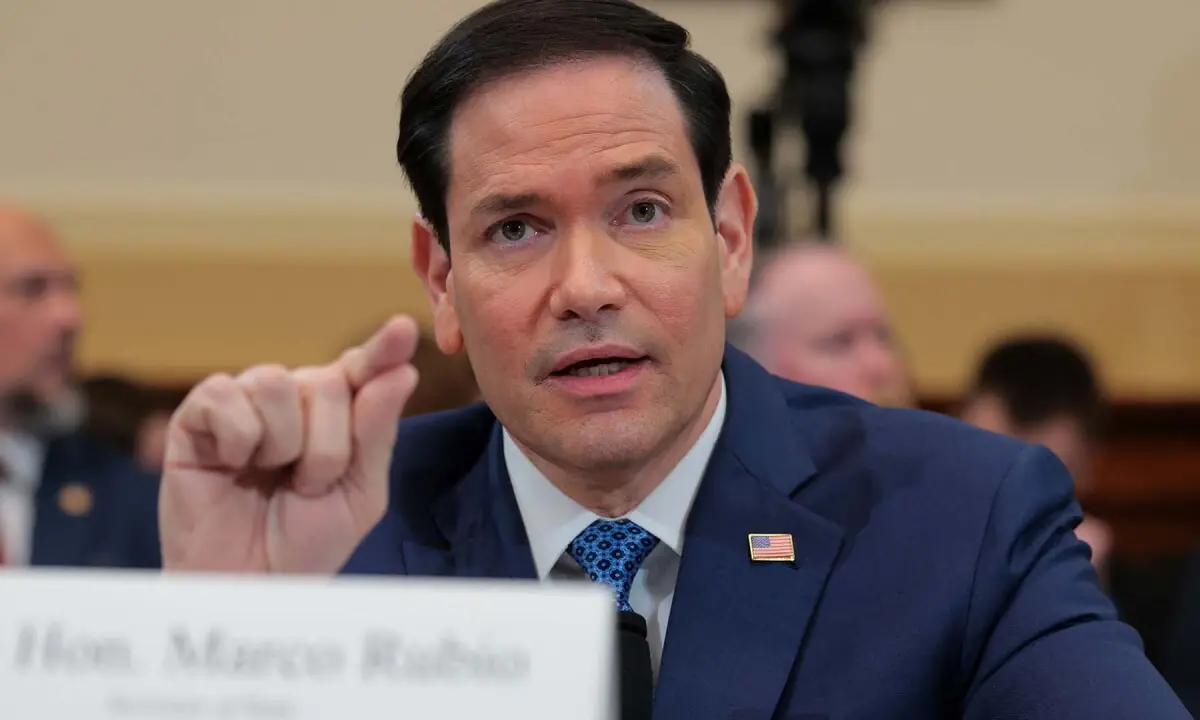
Rubio declares US operation against Iran over, claims Washington achieved military objectives
WASHINGTON: US Secretary of State Marco Rubio told lawmakers on Wednesday that Washington’s military campaign against Iran, codenamed “Operation Epic Fury”, had concluded and that any subsequent American military action would be defensive in nature rather than part of an ongoing offensive operation. Rubio made the remarks during a House Foreign Affairs Committee hearing when members of Congress questioned the administration’s assessment of the conflict and its aftermath. His comments came amid continuing concerns over regional security, the deployment of US forces across the Middle East and the closure of the Strait of Hormuz, a vital maritime route through which a significant share of the world’s oil exports pass. During the hearing, Rubio announced, “We’re no longer conducting sustained strikes inside of Iran to degrade their military, because Epic Fury is over.” Later, he reiterated: “Epic Fury is over … that operation has concluded.” Rubio argued that the operation was a “victory” as Washington achieved its objectives by severely degrading Iran’s conventional military capabilities. According to the secretary, the United States had destroyed Iran’s defence industrial base, significantly reduced its missile launchers and drone stockpile, destroyed what remained of its air force and wiped out its conventional navy. “Those are all gone,” Rubio said. “So, I consider that victory, and we did, too. And that was the purpose of Epic Fury.” He also noted that despite the extensive damage inflicted by the United States and Israel, Iran retained some drone and maritime combat capabilities. Rubio’s comments prompted a sharp exchange with Democratic Representative Sara Jacobs, who questioned the administration’s assertion that the war was over while American troops remained deployed across the region and the Strait of Hormuz remained closed. Jacobs asked: “You can change the name of the operation, it doesn’t change the fact that the Strait’s still closed, and my service members and all of our service members are still in harm’s way.” She continued: “I’d like to talk about the war in Iran. Yesterday, in your testimony, you told Senator Booker that the war in Iran is over. This is news to me. It’s also news to my 2,500 constituents Marines, San Diego, Marines, in the Middle East, the other of my constituents who are deployed there and the thousands more of my constituents who have 48-hour deployment notices whose families are still very concerned.” Rep Jacobs said she was willing to accept the secretary’s claim but still had a question for him: “Who won?” Responding, Rubio defended the administration’s definition of victory and said the operation had accomplished the goals set by Washington. “We’re no longer conducting sustained strikes inside of their military because Epic Fury is over. The second point, as on the question of who won, I can tell you this: we define victory. “We define victory as destroying their defence industrial base significantly, reducing the number of missile launchers that they possess significantly, reducing the stockpile of drones,” he added. “And we achieved all of those in addition to destroying what they had left of an Air Force and wiping out their entire conventional navy. Those are all gone, so I consider that victory and we did too, and that was the purpose of Epic [Fury]“ Rep. Jacobs countered his argument, saying: “You can change the name of the operation, but it doesn’t change the fact that the Strait of Hormuz is still closed and my service members and all of our service members are still in war.” In a further exchange during the hearing, Jacobs accused Rubio of failing to recognise that the administration was “losing this reckless war of choice”. She added a personal remark, saying: “And just like you couldn’t admit that the shoes the president bought you were too big, you clearly don’t know what winning means.” Secretary Rubio appeared momentarily confused by the reference and responded with frustration: “I don’t know what shoes she’s talking about… They’re some Florsheim’s. They’re actually pretty good. They fit fine.” Jacobs then challenged the administration’s claims regarding Iran’s military capabilities, citing intelligence assessments. “Our intelligence community has said that Iran is reconstituting its military industrial base faster than we had predicted,“ she said. “Analysts assess it still holds roughly 70% of its missile stockpile and 70% of its mobile launchers,” said the lawmaker. Jacobs further argued that the strategic situation had deteriorated since the conflict began. “The Strait of Hormuz was open before the war, it is now closed…” Secretary Rubio pushed back on her assertions, disputing the basis of the intelligence being referenced. “Well, first of all, I don’t know what intelligence assessments you’re referring to.” “We wouldn’t discuss intelligence assessments if they were real.” The exchange highlighted the continuing debate in Washington over the consequences of the conflict with Iran. While the administration maintains that the operation successfully achieved its military objectives and has now ended, critics argue that threats to US forces and instability in the Gulf region persist despite the cessation of large-scale American strikes. Rubio’s remarks nevertheless marked the clearest public declaration by the administration to date that the military phase of “Epic Fury” has concluded and that the United States no longer considers itself engaged in an offensive campaign against Iran. Political aims, diplomacy debate Rubio also told lawmakers that while the administration would welcome political change in Iran, it was not the objective of the US military mission. “We would love to see a change in Iran and that they be governed by people,” Rubio told the Committee after Republican Congressman Michael McCaul expressed hopes for a “free Iran”. However, he stressed: “That was not the goal of our mission,” adding that the objective was to deprive Tehran of the ability to threaten the region with missiles, drones and a potential nuclear weapons capability. “The goal of our mission was to take away their ability to threaten the region with an overwhelming number of missiles and drones,” he said, adding that the US had to prevent Iran from “break[ing] out to a nuclear weapon.” The hearing also featured sharp criticism from Democrats. Representative Gregory Meeks, the ranking member of the committee, accused the Trump administration of abandoning diplomacy and escalating regional conflict. In prepared remarks, Meeks said President Trump had promised Americans “no new wars — only to send a new generation of troops back to the Middle East.” He argued that the administration had “traded dialogue for bombs yet again” and claimed that “America First” had left the United States isolated. “The record says otherwise on all three,” Meeks said, referring to Rubio’s pledge to make America “safer, stronger, and more prosperous”. He added that Americans were “not safer while fighting an unnecessary war” and “not more prosperous when this administration has done everything it can to enrich the president and his allies, while everyday Americans struggle to afford groceries, gas, and healthcare”.